Table Of Content
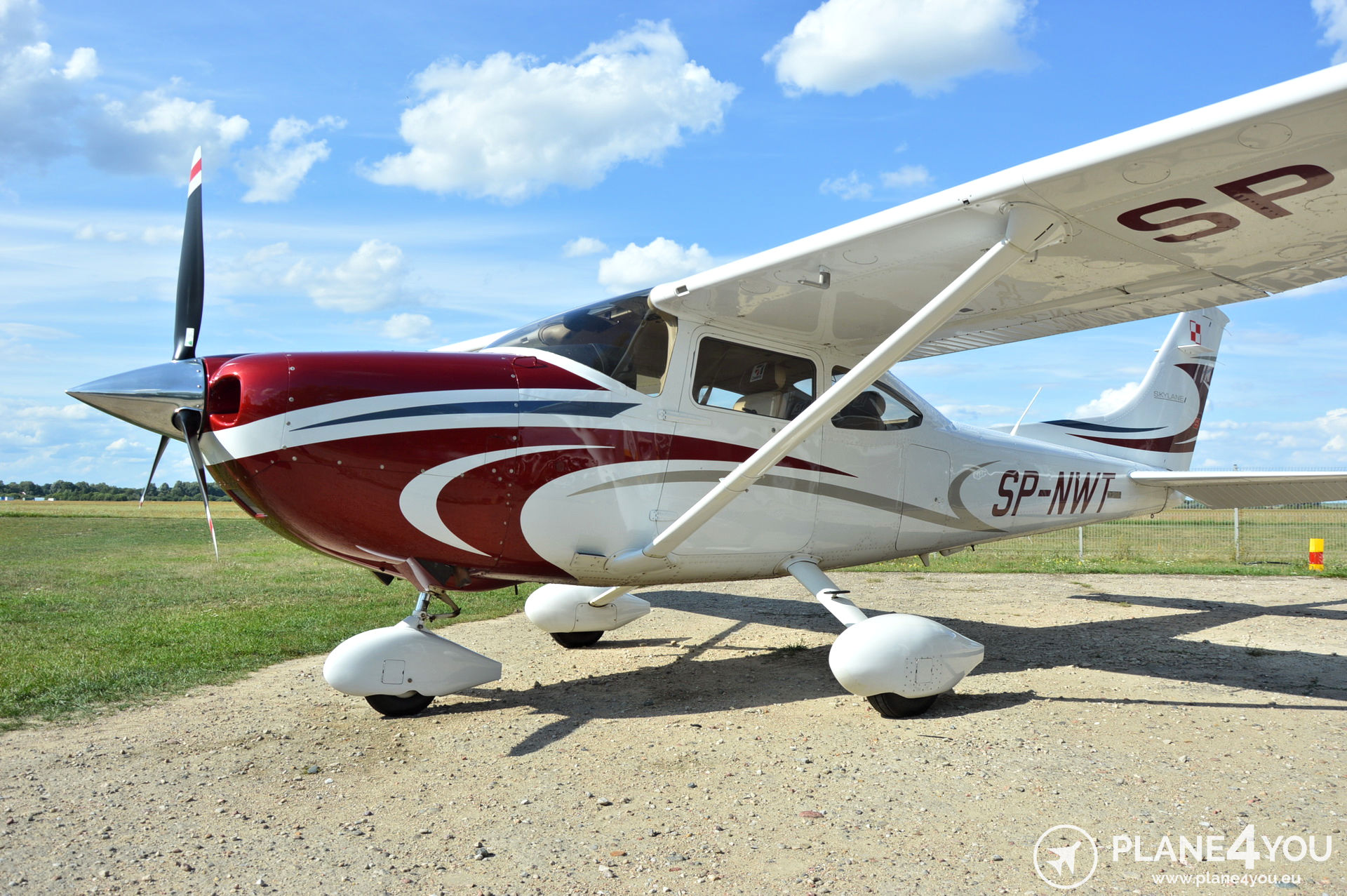
A turbocharged version premiered a year later with essentially the identical engine supplemented by a blower. Turbocharging further expanded the airplanes utility value and made it a viable model in the high country of the west. The Skylanes cruise speeds range from 136 to 140 KCAS depending on the model, while do not exceed speeds grew from 160 to 171 KCAS over the years. For pilots not in a hurry, cruising at around 117 KCAS brings around a 15% loss of speed, but the throttle reduction cuts fuel burn by 30%, a very good trade-off in most situations. The Skylane’s cruise speeds range from 136 to 140 KCAS depending on the model, while do not exceed speeds grew from 160 to 171 KCAS over the years. The major change came with the Cessna T128 Skylane, certified on August 15th, 1980.
Design
The three-blade constant speed prop uses a variable pitch to maintain its speed with different levels of power, providing better cruise performance. So, while you still have throttle control, you also have a prop lever that allows you to change the pitch of your propeller to adjust your RPM for consistent and ideal performance throughout the flight. Cessnas are known for their stability, and the Skylane is no exception.
Payload with full fuel
Max rpm for both climb and cruise was set a neighborly 2400 rpm, relegating use of the prop control to the ramp. Such severe derating meant the big Lyc was hardly working, and the result was a 2000-hour TBO on both the normally-aspirated and turbocharged RGs. Turbocharging further expanded the airplane’s utility value and made it a viable model in the high country of the west. In terms of a profile, the 182 has an empty weight of 1,970 lb (894 kg) and a gross weight of 3,100 lb (1,406 kg). Unlike the two-blade propeller of the Cessna 172, one defining characteristic of the 182 is that most models add an additional propeller blade.
Cessna 182 / Model Prices
Overall, Skylane's handling is forgiving enough to make up for the nose-heavy short fallings. The ease of its cruise is a gift for pilots that just want to get in the air and enjoy the scenery below them and out front. The wrap-around windshield is big, but you might need to find a nice cushion to sit on to elevate your view forward since the panel is set pretty high, especially for shorter pilots.
It’s good practice to advance the throttle to mag check rpm after brake release, do a final check on engine parameters and, if every indication is in the green, gradually add full power. While these work well on a good day, they have developed a bad reputation in terms of reliability in Cessna aircraft, particularly due to overheating issues. Another holdover common to early Cessnas is the use of rubber bladder fuel tanks, which may lead to fuel getting trapped by wrinkles and starving the engine.
Cessna 182 Turbo Skylane
To remedy this, Cessna brought about the end of the naked 182, opting to fully paint the aircraft instead to prevent wrinkling. If you accept the premise that the Skylane is one of the world’s definitive singles, the Turbo Skylane represents perhaps the best of the best. In Western skies where runways often perch a mile or more above the sea, the trend is definitely toward turbos. Combine a 90 degree F day with the field elevation of Albuquerque or Denver, and many normally-aspirated airplanes simply need not apply. Rumors have been flying for years about the Cessna Next Generation Piston airplane, and indeed, many of us saw the airplane at an AOPA Convention in Palm Springs a few years ago.
This may seem a little modest by modern standards, but back in the 1950s, when this aircraft first took to the skies, it was stupendous engine longevity. To some extent, at least, the Skylane’s turbo defines the airplane. If you fly out west where the Earth demands airplanes to match its mountains, a Turbo Skylane may offer exactly the right combination of ingredients. Combine excellent reliability, plentiful performance, and reasonable comfort, and you have the formula that has made the 182 a winner for nearly a half-century. Bastien was first licensed in 1977, and the flooring executive wanted a stable IFR platform to service his projects in San Francisco, San Diego, and other locations out West.

According to Plane & Pilot Magazine, prices for second-hand Skylanes hover around $40000 for the 1959 Cessna 182B, between $97000 and $ for the Cessna 182R, and from $ to $ for 182T models. Thanks to the type’s good safety record and reliability, the Cessna 182 often gets fairly reduced insurance quotes compared to its competitors. Despite Cessna’s work to position the gear to avoid this, repeated hard landings or the wrong attitude during touchdown might lead to wrinkled firewalls, which can get rather expensive and time-consuming to fix. While previous models were nominally four-seaters by design, the 182E was the first member of the family able to do that comfortably.
Complete Cessna 182RG Specs and Performance – Cessna Skylane RGII
The Skylane is no different; it comes with perks and pits like any other. The roll rate isn’t dramatic, but you wouldn’t expect it to be considering the airplane’s mission. As with most, current-generation Cessnas, adverse yaw is virtually non-existent, making rudder coordination unnecessary in banks shallower than 35 degrees.
Learn how many primer shots and what amount of throttle it takes to get your big Continental or Lycoming to come to life… gently! Just about the worst thing you can do for either of these two engines is to start them with a power setting that results in the engine roaring; gentle starts are key. The Cessna 182 can comfortably fly with all four souls aboard and a full tank of fuel without any noteworthy performance penalties. Between 2017 and 2020, the asking price for plenty of Cessna 182 units in the market grew twofold, and despite this increase, they quickly found themselves in the hands of new owners. A noteworthy achievement for the Cessna 182 family is its resale value.
The oil cooler is half out of the airflow in the left front cowl so it is probably not as efficient as it could be. One said its better for grass strips than the fixed-gear Skylane because its sturdy and there are no wheel pants. Pilots who know how to avoid hard landings, we suspect, probably have landing gear systems that work just fine (as long as a previous owners mistakes have been properly repaired).
Transitioning to the Cessna 182 - Anchorage Daily News
Transitioning to the Cessna 182.
Posted: Mon, 09 Nov 2009 08:00:00 GMT [source]
Most notorious is the heavy elevator feel, something youd expect pulling back on a DC-3 yoke. The heavy pitch and the Skylanes brick-like descent rate with full flaps and gear out-something youd expect of the Space Shuttle-have led to a fair number of hard landings and runway loss-of-control accidents. Dont try to land power-off with full flaps; the timing of the roundout and flare will be so critical as to invite a hit or a drop.
Early models used the Continental O-470 engine series common to the Cessna 180, in a version rated for 230 hp. Perhaps the primary advantage of a turbo in day-to-day operation is the preservation of climb, a safety benefit that has more meaning than fast cruise. Accident reports often cite crashes because of a lack of climb rate, but I’ve never heard of an airplane crashing because of slow cruise speed. At 12,000 feet, when the other two 182s are running out of steam, the Turbo Skylane RG can still deliver 800 fpm. That’s a significant safety factor if your flying takes you into high-altitude strips in summer when density altitude can easily climb to five figures.
This is the correct time to move the prop control to the high rpm position to prepare for final approach, touchdown and a possible go-around. The governor reduces blade pitch to maintain rpm until the blades are in the high rpm position and rest against the low pitch stop in the prop hub. During the propeller governor check, don’t let the rpm drop down more than 100 rpm.
Similarly, any changes in ram air pressure caused by climb or descent affect higher manifold pressure, and that also demands adjusting prop and mixture. One variant in particular, the Skylane RG, featured retractable landing gear, which improved fuel economy but increased maintenance costs. The offset wasn’t worth it, and Cessna scrapped that idea with the very next design. Most models, including newer ones, have fixed landing gear that is tough enough for more rugged runways, given proper trimming. All engines used in the family are 6-cylinder models with 230 hp for the non-turbocharged versions and 235 hp for those with it installed, driving a constant speed propeller.


No comments:
Post a Comment